A dark story of female rage and body autonomy, grounded in history.
Published April 21, 2026 by Mulholland Books / Little Brown.
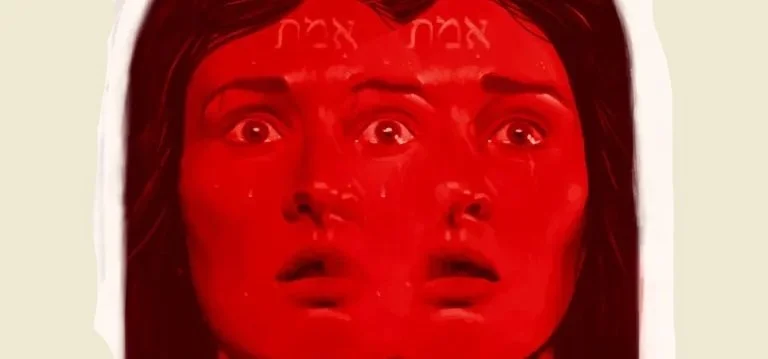
Odessa is a story of a woman’s fight for control over her own body, layered into a setting of racial and religious violence. Yetta, the main character, is the daughter in a Jewish family, living in a shtetl near Odessa in 1905. Part of the Russian Empire, Odessa in this time was a place of fear and hatred against Jews, and the family is tormented by pogroms and physical ostracization. Still deeper within the family, and within the wider culture of the oppressed, there is another layer of disregard and violence against women. These two identities -- to be a woman, and to be a Jew -- intersect at the magical realism that drives the story: the creation of a golem, and the definition of Yetta and her body.
Yetta is a great character. Fragile but firm. Women are always in danger, always subjugated to external and internal dominance. And yet, ultimately the women in this story are more resilient, more powerful than the men. Although it’s the men who make things happen to cause change, either by wreaking painful havoc or demanding dramatic and mystical recompense, in this novel it is the women who ultimately make the decisions that matter. While this book begins in unthinkable violence and detailed, unflinching depictions of misery and pain, it ends in a different kind of transformation. This life is tortured, painful, and difficult, but in Gabrielle Sher’s imagining, it’s also beautiful.
The beginning of this novel, before the dark magic gets going, is riveting. As I was listening to the details of the home life, the religious practice, and the love of family between the three point-of-view characters, I forgot this was going to be a golem story (as the jacket copy tells you) and settled into historical fiction. Yetta and her mother and father Frieda and Mordecai are all depicted in sensitive detail, and the violence, when it comes, is truly harrowing. At one point I thought that surely this must be the horror. No magic or monsters needed. But then the promise of the premise is manifested, and we have our monster story.
There is an extended middle section, and the story did feel like it might just devolve into a long aftermath to the events that set the plot in motion. But the last sixth of the book is worth the wait. Miraculous how a story of such dark and human misery could end in love and even redemption, but this one has a very moving conclusion.
